What Makes a Great Elder Care Community for Dementia Assistance?
Business Name: BeeHive Homes of Helena
Address: 9 Bumblebee Ct, Helena, MT 59601
Phone: (406) 457-0092
BeeHive Homes of Helena
With so many exceptional years of experience, the caretakers at Beehive Homes have been providing compassionate and personalized care for aging loved ones. Beehive Homes distinguishes itself through a higher level of assisted living licensed care (categories A, B, and C) that allows our residents to make the most of their golden years. Our skilled nurses provide adult residential living, memory care, hospice, and respite services to build and maintain a fulfilling and safe atmosphere for retirees. So please give us a call to schedule a free assessment, or visit our website to learn more about what Beehive Homes can do to ensure that your loved ones are given the best possible home.
9 Bumblebee Ct, Helena, MT 59601
Business Hours
Choosing take care of an individual living with dementia is seldom a simple yes-or-no decision. Family members generally arrive at this point after months, often years, of attempting to patch with each other sustain at home. There might have been missed drugs, wandering scares, a burned pan left on the range, or the slow realization that a person individual can not safely bring the whole lots anymore. That is frequently when individuals begin looking for memory care, senior care, or perhaps inputting memory care near me into a web browser late at night, really hoping the ideal location will certainly somehow make itself obvious.
It rarely really feels apparent. The very best elder care area for dementia support is not the one with the flashiest entrance hall or one of the most sleek sales pitch. It is the area where the day-to-day rhythm makes sense for a mind that is changing, where team recognize how to lower complication instead of contributing to it, and where families can breathe a little less complicated due to the fact that the environment is developed around real needs, not assumptions.
Dementia assistance starts with the environment
A terrific community begins prior to a solitary employee greets. The physical setup tells you a lot concerning whether the location comprehends dementia. Individuals with amnesia typically do far better in atmospheres that feel calm, foreseeable, and simple to browse. Wide open rooms can look classy to site visitors, but they can be disorienting for a person that requires clear spots and a feeling of enclosure. Lengthy resembling corridors, excessive sound, and messy aesthetic spaces can enhance anxiousness quickly.
The best neighborhoods focus on small things. Lights is also and warm, not severe. Floors do not reflect like water, which can cause reluctance or anxiety of falling. Doors, hallways, and common rooms are identified in a manner that helps homeowners orient themselves without really feeling talked down to. Some neighborhoods use memory cues such as acquainted shades, pictures, or personal display screens outside spaces. These information appear minor till you view a resident action extra with confidence since the space makes good sense to them.
Safety additionally matters in a useful, daily method. Secured and overseen exits are essential for people who might roam, yet security should never make the setting seem like a jail. Great elder care for dementia assistance equilibriums freedom and protection. Citizens must be able to walk, discover, and participate in life without continuous confrontation or limitation. That equilibrium is tougher to attain than it seems, which is why the very best communities are usually the ones that have actually thought deeply about design rather than simply adding a locked door and calling it memory care.
Staff ability is the real difference-maker
The building matters, yet people matter more. Family members in some cases concentrate greatly on room dimension, dish alternatives, or activity calendars, and those points are worth considering. Still, none of them can make up for undertrained team. Dementia support lives or passes away in the everyday interactions: exactly how a caregiver gets in a room, speaks throughout bathing, redirects anxiety, and handles a poor day at 5:30 p.m. When every person is tired.
A solid area invests in staff who recognize that memory loss is not the same for every single resident. A single person might be talkative and socially engaged however lose track of where they are. One more may be peaceful, withdrawn, or questionable. A third might relocate with objective, appearing independent initially glimpse, yet require careful guidance due to the fact that they can not bear in mind threat. The very best caregivers review the space quickly and adapt.
Training must surpass basic job conclusion. Staff require useful dementia skills, like just how to provide easy selections rather than open-ended concerns, exactly how to come close to from the front so a resident is not stunned, and how to identify that "refusing care" might actually be worry, pain, or embarrassment. Good training also includes de-escalation. An individual with dementia that becomes dismayed is not being hard assisted living deliberately. They might be puzzled, overwhelmed, or trying to interact a need they can not call. A well-trained caregiver does not say with the feeling. They search for the cause.
This is one factor family members commonly look specifically for memory care rather than common senior living near me. Not every senior living neighborhood has the staffing design or training deepness to sustain advanced cognitive decrease. Some may be outstanding for independent living or low-acuity assisted living, yet dementia modifications the equation.
Routines must really feel consistent, not rigid
People living with dementia typically do much better when the day adheres to a reputable pattern. Dishes at consistent times, acquainted caregivers, regular bathing timetables, and predictable activity blocks can reduce tension. A terrific neighborhood understands this and constructs the day around rhythm.

That stated, structure must not end up being inflexibility. An individual may have a much better early morning than mid-day, or they might end up being agitated if asked to shower right after waking. Excellent care is not almost maintaining the schedule. It has to do with checking out the person inside the routine. If one resident is sharper after morning meal and an additional is extra kicked back later on in the day, the staff must observe and readjust where possible.
This is where the quality of memory care shows itself. In weaker setups, routines exist for the personnel's ease. In stronger ones, routines offer the resident. The difference can be refined up until you see it. In one area, everybody is aligned and moved along like clockwork. In one more, caretakers understand that Mrs. T favors to consume alcohol coffee prior to dressing, that Mr. L calms down when he folds towels for 10 mins, and that songs in the late mid-day avoids the sundowning spiral that utilized to thwart dinner.
That kind of personalization takes initiative, yet it settles in less situations and a far better high quality of life.
Communication ought to be clear, respectful, and honest
Families deserve straight answers, not calming ambiguity. An excellent elder care neighborhood does not pretend dementia is simple, and it does not sugarcoat what it can and can refrain from doing. If a loved one needs help with consuming, incontinence care, medication monitoring, or behavior modifications, the area should describe exactly how those requirements are taken care of and what the limitations are.
Clear interaction additionally matters inside the neighborhood. Staff should make use of basic, respectful language with locals, avoiding infantilizing tones or overly intricate descriptions. The tone must be calm and grown-up. "Allow's get your sweatshirt on so we can most likely to lunch" functions better than a long explanation with three actions and a lot of background information. Individuals with dementia often react best to short, concrete expressions coupled with mild body language.
Families should take notice of how staff discuss citizens when they are not in the space. Do they state "wanderer," "feeders," or "habits" as shorthand, or do they speak about people by name and scenario? Language exposes society. A neighborhood that minimizes residents to problems normally treats them that way behind the scenes too.
Activities ought to restore identification, not simply load time
Good activity schedules prevail. Significant interaction is much less usual. There is a difference in between keeping someone busy and assisting them feel like themselves. A solid memory care program recognizes that residents are not youngsters, and they are not blank slates. They are people with behaviors, choices, wit, pride, and memory fragments that still matter.
The finest communities develop activities around what citizens can still succeed. Some people enjoy folding towels, sprinkling plants, or sorting items. Others like rhythm-based activities, acquainted songs, light activity, or basic art tasks that do not need ideal great electric motor control. A resident who utilized to cook might delight in helping mix batter or set tables. A person that spent a life time having a tendency a garden might light up around herbs, flowers, or outside containers.
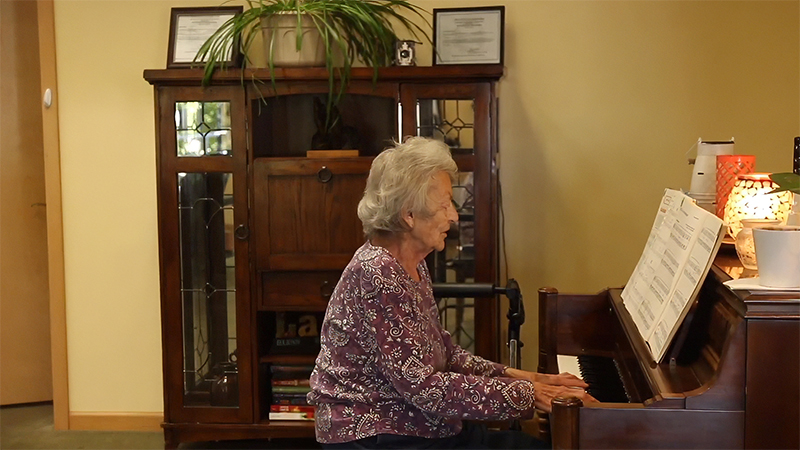
What matters is not whether the activity looks advanced. What matters is whether it lowers isolation and produces a sense of capability. A resident who has actually lost the capability to hold an intricate discussion may still thrive when offered a job to do. That sense of efficiency can alter the entire tone of the day.
Families ought to also seek communities that understand the psychological side of dementia support. Some homeowners end up being sad, dubious, or uneasy. Others hold on to old functions and identities. Activities that stimulate reminiscence, songs, or responsive comfort can be better than games that evaluate memory. In dementia care, the objective is not to quiz individuals on what they have actually lost. It is to link them to what remains.

Meals and medication assistance reveal whether the community is really attentive
Food is one of the clearest home windows into care high quality. Dementia can impact appetite, swallowing, attention period, and the capability to make use of tools. A fantastic area does not treat meals as a production line. It focuses on structure, pacing, cravings modifications, and dignity.
Residents often consume far better when they are seated smoothly, assisted without rush, and supplied foods they recognize. Finger foods may assist people that struggle with utensils. Some locals require support however not force. Others require aesthetic hints, like one meal at once rather than a jampacked tray. Personnel ought to notice weight adjustments, eating difficulty, or an expanding rejection to eat, due to the fact that these concerns can indicate medical or psychological problems.
Medication administration is just as vital. In lots of households, this is one of the first factors they begin looking for elder care. An individual with dementia might double-dose, refuse medication, hide tablets, or neglect them entirely. In a well-run area, medicine systems are securely managed and reviewed. Yet past that, personnel look for side effects, adjustments in alertness, and the subtle signs that a medication may no longer be working well. That kind of observation belongs to actual senior care, not just paperwork.
Respite care can be a helpful examination run
Not every family members prepares to make a permanent relocation right away. Respite care can provide everybody breathing space. It enables a loved one to stay in a supportive setup for a short period while the family members sees exactly how the area runs in technique. It also provides caregivers a possibility to remainder, recover, or manage a momentary situation without melting out.
A great respite remain must feel like greater than a bed for a weekend break. The personnel needs to take the short-term resident seriously, discover their routines, and make them feel welcomed rather than gone through. Families can discover a whole lot from a short remain. Does the person settle in after the very first day or stay upset? Do personnel interact adjustments swiftly? Is the room tidy and comfy? Does the resident seem calmer after dishes and activities, or more withdrawn?
Respite care is usually underused, however it can be one of the smartest action in choosing whether an area is an excellent fit. It provides a real-world trial, not just a tour.
Trust your eyes throughout a visit
When touring memory care communities, households typically understand more than they think they do. The details are visible if you reduce and pay attention. Watch how staff welcome locals. Notification whether individuals are speaking in warm, customized ways or supplying rapid directions. Check out whether residents appear clean, involved, and properly clothed. Observe whether anybody seems neglected for long stretches.
If you can, visit at a busy time and a quieter time. A location can look polished when everything is tranquil. The harder test is just how it handles lunch, late afternoon fatigue, or a resident that comes to be distressed. Excellent areas do not conceal from the difficult minutes. They recognize those minutes are the work.
Ask sensible inquiries, and listen closely to the solutions. The amount of caregivers are assigned per shift? How are emergencies handled? What happens if a resident rejects showering or medication? Exactly how does the neighborhood react to roaming danger? What level of clinical support is offered on website, and when are outdoors providers brought in? You are not just shopping for a space. You are assessing a daily care system.
It is also worth asking how family members are consisted of. Some neighborhoods connect commonly, with updates that are thoughtful and helpful. Others only call when something has actually gone wrong. The best senior living near me search results may not inform you which is which, so direct observation matters.
The finest communities preserve self-respect in small, regular ways
Dignity is not a sales brochure word. It stays in the information. It is the distinction between a caregiver rushing a resident via dressing and one who provides time to take part. It is the distinction between a person being corrected in public and redirected silently. It is the difference between a call light being addressed quickly and a resident waiting, self-conscious, because they needed assistance toileting.
People with dementia typically blow up over numerous parts of daily life. A high-quality community secures the items that can still be secured. Locals should be requested for authorization where feasible. They ought to be talked to, not over. Their preferences should be kept in mind. Their life stories ought to matter.
This is especially vital due to the fact that dementia does not remove personhood. It changes communication, memory, and function, but the individual remains. Wonderful memory care programs are constructed around that reality. They do not just stop harm. They develop minutes of simplicity, recognition, and belonging.
How households can tell the difference in between sufficient and excellent
Not every community requires to be perfect, and no location can eliminate all hard days. Dementia is unpredictable. Also the best care group will deal with resistance, despair, complication, and clinical modifications. The inquiry is whether the area has the ability and solidity to respond well.
A just sufficient place may maintain locals secure, yet an exceptional one notifications subtle changes before they become crises. It understands that a drop in appetite may signal infection, depression, or medication problems. It recognizes that frustration usually has a cause. It bears in mind that family members require updates, not simply confidence. It treats respite care, long-term memory care, and transitioning requirements with equal seriousness.
Excellent neighborhoods additionally accept that care needs advance. Someone who begins in a lighter-support setting might need more assistance over time. That development needs to be anticipated, not dealt with as a surprise. Households should ask exactly how the community deals with transforming levels of care and whether locals can stay in place as demands enhance, if appropriate. That connection can make a massive distinction for someone with dementia who depends upon familiarity.
A thoughtful community is likewise straightforward when it is not the best fit. That might seem counterproductive, but it is among the toughest indicators of stability. If a service provider states that an individual needs more clinical guidance than they can safely offer, that is not a lost sale. It is responsible elder care.
What the appropriate option really feels like
Families commonly describe the appropriate neighborhood in psychological terms prior to they can clarify it technically. They state the place felt tranquil. The personnel seemed to recognize what they were doing. Homeowners did not look lost. Meals looked enjoyable. Inquiries were answered without stress. Their loved one, even if confused, appeared much less tense there than at home.
That feeling issues. Dementia assistance is not just regarding staying clear of drops or taking care of medicines. It is about creating adequate framework, heat, and consistency that the person can live with even more convenience and much less anxiety. A terrific community does not promise to stop amnesia. Nothing can do that. What it can do is shape the days around the loss with skill and humanity.
When families are contrasting memory care alternatives, whether they are browsing in your area for memory care near me or looking broader across senior living near me areas, the goal coincides. Find the area where care is personal, interaction is straightforward, the setting decreases stress, and the team understand that dementia is not just a diagnosis. It is a lived experience that touches every dish, every hallway, every discussion, and every decision.
The right elder care area will certainly not just keep a person secure. It will certainly help them stay known.
BeeHive Homes of Helena provides assisted living care
BeeHive Homes of Helena provides memory care services
BeeHive Homes of Helena provides respite care services
BeeHive Homes of Helena supports assistance with bathing and grooming
BeeHive Homes of Helena offers private bedrooms with private bathrooms
BeeHive Homes of Helena provides medication monitoring and documentation
BeeHive Homes of Helena serves dietitian-approved meals
BeeHive Homes of Helena provides housekeeping services
BeeHive Homes of Helena provides laundry services
BeeHive Homes of Helena offers community dining and social engagement activities
BeeHive Homes of Helena features life enrichment activities
BeeHive Homes of Helena supports personal care assistance during meals and daily routines
BeeHive Homes of Helena promotes frequent physical and mental exercise opportunities
BeeHive Homes of Helena provides a home-like residential environment
BeeHive Homes of Helena creates customized care plans as residents’ needs change
BeeHive Homes of Helena assesses individual resident care needs
BeeHive Homes of Helena accepts private pay and long-term care insurance
BeeHive Homes of Helena assists qualified veterans with Aid and Attendance benefits
BeeHive Homes of Helena encourages meaningful resident-to-staff relationships
BeeHive Homes of Helena delivers compassionate, attentive senior care focused on dignity and comfort
BeeHive Homes of Helena has a phone number of (406) 457-0092
BeeHive Homes of Helena has an address of 9 Bumblebee Ct, Helena, MT 59601
BeeHive Homes of Helena has a website https://beehivehomes.com/locations/helena/
BeeHive Homes of Helena has Google Maps listing https://maps.app.goo.gl/YUw7QR1bhH7uBXRh7
BeeHive Homes of Helena has Facebook page https://www.facebook.com/beehivehelena/
BeeHive Homes of Helena has an YouTube page https://www.youtube.com/user/BeeHiveCare
BeeHive Homes of Helena won Top Assisted Living Homes 2025
BeeHive Homes of Helena earned Best Customer Service Award 2024
BeeHive Homes of Helena placed 1st for Senior Living Communities 2025
People Also Ask about BeeHive Homes of Helena
What is BeeHive Homes of Helena Living monthly room rate?
The rate depends on the level of care that is needed. We do an initial evaluation for each potential resident to determine the level of care needed. The monthly rate is based on this evaluation. There are no hidden costs or fees
Can residents stay in BeeHive Homes until the end of their life?
Usually yes. There are exceptions, such as when there are safety issues with the resident, or they need 24 hour skilled nursing services
Do we have a nurse on staff?
No, but each BeeHive Home has a consulting Nurse available 24 – 7. if nursing services are needed, a doctor can order home health to come into the home
What are BeeHive Homes’ visiting hours?
Visiting hours are adjusted to accommodate the families and the resident’s needs… just not too early or too late
Do we have couple’s rooms available?
Yes, each home has rooms designed to accommodate couples. Please ask about the availability of these rooms
Where is BeeHive Homes of Helena located?
BeeHive Homes of Helena is conveniently located at 9 Bumblebee Ct, Helena, MT 59601. You can easily find directions on Google Maps or call at (406) 457-0092 Monday through Sunday Open 24 hours
How can I contact BeeHive Homes of Helena?
You can contact BeeHive Homes of Helena by phone at: (406) 457-0092, visit their website at https://beehivehomes.com/locations/helena/, or connect on social media via Facebook or YouTube
Residents may take a trip to the Montana State Capitol . The Montana State Capitol offers historical architecture and gardens that create an engaging yet manageable assisted living and memory care outing during senior care and respite care visits.